There’s a reason your feed has been full of throwback content lately. Old photos. Anniversary posts. “Remember when” moments. Stories about where something started and how far it’s come.
And if you’ve noticed that content performing better than the polished, on-trend stuff your brand has been carefully producing, you’re not imagining it.
Nostalgia-driven marketing is having a serious moment. And the timing makes complete sense when you zoom out and look at what’s happening culturally right now.
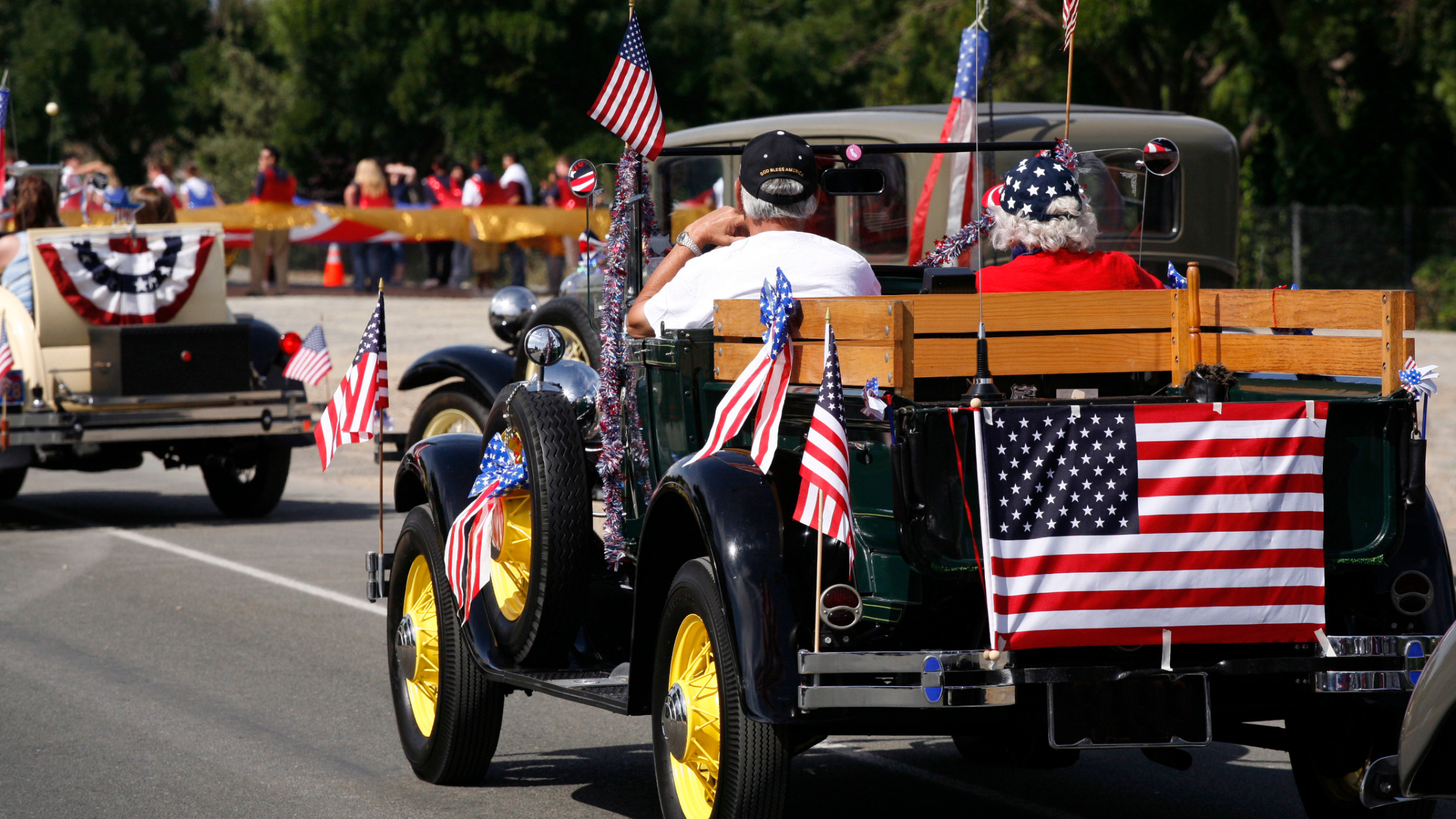
America just turned 250 years old.
That’s not just a number on a calendar. That’s a collective moment of reflection happening at a national scale. People are thinking about history, legacy, community, and belonging in ways they don’t in a typical year. And that emotional undercurrent is showing up in the content people engage with, the events they attend, and the brands they feel connected to.
If you’re not thinking about how nostalgia fits into your marketing strategy right now, this is your sign.
Why Nostalgia Works in the First Place
Before we get into the America 250 angle, let’s talk about why nostalgia works at a fundamental level. Because it’s not just sentimentality. There’s real psychology behind it.
Nostalgia activates a sense of belonging. It connects people to a shared identity, whether that’s a community, a family, a brand, or a country. It creates warmth. It makes people feel seen. And in a digital landscape that can feel overwhelming, impersonal, and algorithmically chaotic, content that triggers genuine emotional memory stands out in a way that a trend-chased Reel simply cannot.
Studies have consistently shown that nostalgic content increases feelings of social connectedness, boosts consumer trust, and makes people more willing to spend. It’s not soft and fluffy. It’s a legitimate conversion driver.
And here’s the marketing reality of 2026: audiences are tired. Tired of AI-generated sameness. Tired of brands chasing every trend. Tired of content that feels like it was produced by a formula. Nostalgia cuts through all of that because it feels real. Because it is real.
Milestone Moments Multiply the Effect
Here’s where it gets especially interesting for marketers and event organizers.
Nostalgia is always effective. But it is most powerful during milestone moments, the anniversaries, reunions, and commemorative events that give people explicit permission to look backward together.
America’s 250th anniversary is one of the biggest milestone moments most of us will experience in our lifetimes. The celebrations have been building since 2025, with America250 events formally launching on July 3, 2025 and culminating in the 250th anniversary of the Declaration of Independence on July 4, 2026. The Smithsonian has described it as an opportunity to reflect on the past, engage with the present, and imagine the future together.
That framing is not just civic language. It is a marketing brief.
Reflect on the past. Engage with the present. Imagine the future. That is literally the structure of a great brand story.
Just as many Americans remember the iconic Bicentennial shirts from 1976, the 2026 celebration is creating its own set of commemorative moments that people will carry with them for decades. People who are attending community events this summer, buying limited-edition America 250 merchandise, and gathering with their families at local festivals are creating memories right now that will feel nostalgic in ten years.
That is the window. And it is open right now.
What This Means for Your Brand or Organization
You don’t need to be a history museum or a national brand to plug into this moment. In fact, the most powerful nostalgia marketing happening right now isn’t coming from big national campaigns. It’s coming from local organizations, community events, and small businesses that are telling deeply personal, place-specific stories.
Here’s what that can look like in practice.
Dig into your own history. How long has your organization been around? What did your community look like when you started? What has changed and what has stayed the same? An “In 1976, we were…” post that connects your brand’s timeline to American milestones gives people a reason to feel proud of their relationship with you.
Tell community stories, not just brand stories. The most resonant nostalgia content right now isn’t about products or services. It’s about people and places. Photos from past events. Stories from longtime members, volunteers, or customers. The faces behind the mission. America250’s “Our American Story” program is built on exactly this premise: oral and visual history as a way to connect people to something larger than themselves. Your organization can do the same thing at a local level.
Anchor your events to the milestone. If you’re planning a community event, a fundraiser, a gala, or a festival in 2026, this is the year to lean into themes of legacy, heritage, and community pride. America250 has been encouraging communities nationwide to organize local parades and commemorative events, which means people are already primed to show up and participate in meaningful gatherings. Give them something worth showing up for.
Create content that will age well. One of the underrated benefits of nostalgia marketing is that it creates assets you can reuse. A photo archive from a 2026 community event becomes nostalgic content in 2031. A “where were you on America’s 250th birthday” story collection becomes a time capsule. Think past the immediate post.
The Trend-Chasing Trap (And How Nostalgia Is the Antidote)
Let’s be direct about something. A lot of brands are exhausting themselves trying to stay current. Every new audio trend on Instagram. Every TikTok format. Every emerging platform. The content hamster wheel is real, and it is relentless.
And yet the content that is consistently outperforming right now? It’s the stuff that slows down. That looks back. That says “here’s where we came from and here’s why it matters.”
That doesn’t mean you stop showing up on social or ignore what’s relevant. It means you balance trend-chasing with something more durable. Nostalgia-driven content has a longer shelf life, a deeper emotional pull, and a much lower production bar than a perfectly executed trending Reel. Sometimes a thirty-year-old photo and two sentences of honest reflection will outperform a week of curated content.
In a milestone year like this one, that’s not a consolation prize. That’s the strategy.
The Bottom Line
America’s 250th anniversary is giving every brand, nonprofit, and community organization in this country an enormous cultural permission slip to lean into memory, heritage, and meaning.
The question is whether you’re going to use it.
You don’t need a national budget or a big production team. You need a genuine story, a connection to your community, and the willingness to look back long enough to remind people why what you’re doing matters.
That’s nostalgia marketing at its best. And right now, in the middle of the biggest national milestone most of us will ever witness, it has never been more relevant.