Let’s be honest for a second. If you work in marketing, communications, or event planning, you’ve probably uttered the phrase “I’m fine” while internally running on caffeine, calendar anxiety, and sheer willpower. You’ve sent emails at midnight, said yes to one more ask you didn’t have bandwidth for, and convinced yourself that the chaos is just part of the job.
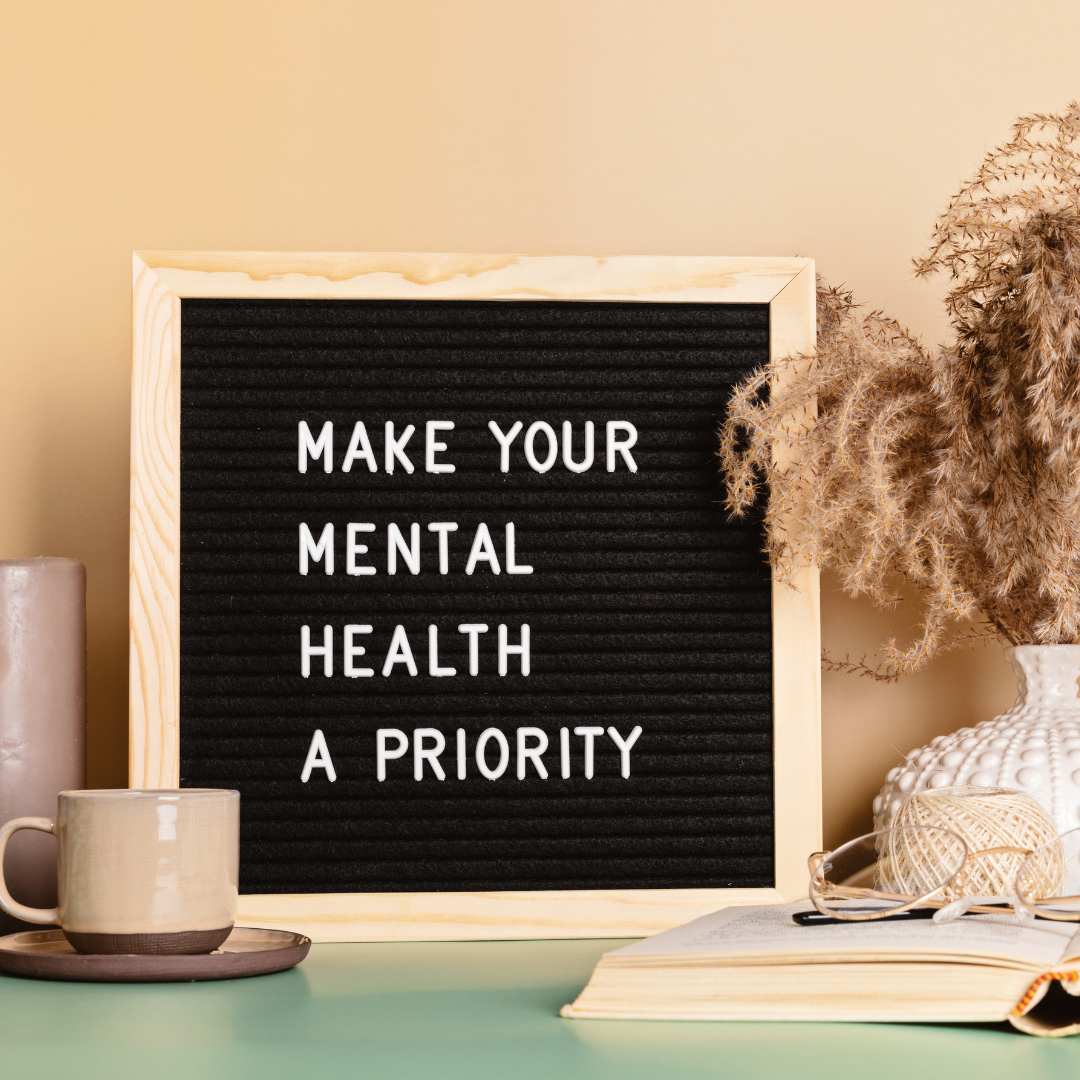
It’s Mental Health Awareness Month, and I want to talk about something that doesn’t get enough airtime in our industry: burnout. Not the trendy, “self-care Sunday” kind of burnout that gets a cute Instagram caption. The real kind — the one that makes you stare at a blank Google Doc for 20 minutes because you can’t form a single creative thought.
Why our industry is especially vulnerable
Marketing and events aren’t just jobs — they’re vocations people pour themselves into. The creativity is personal. The campaigns feel like extensions of who you are. When a client doesn’t love a concept or an event goes sideways, it’s hard not to take it home with you.
Add to that the always-on nature of the work. There’s no natural end to a marketing professional’s day. Trends don’t sleep. Clients text on Sundays. Events don’t care that you’re running on four hours and a vending machine granola bar. The industry runs on urgency, and over time, urgency becomes the only gear you know.
Burnout isn’t a personal failure. It’s what happens when high-achieving, deeply committed people are stretched past their limits for too long without recovery.
What burnout actually looks like in this work
It doesn’t always look like breaking down. Sometimes it looks like being really, really good at pushing through. Common signs of burnout in marketing and events professionals include:
- Creative blocks that feel like walls, not speed bumps
- Dreading projects you used to love
- Saying yes out of fear instead of enthusiasm
- Difficulty concentrating or making decisions (even small ones)
- Physical exhaustion that doesn’t go away after a weekend
- Emotional detachment from work you know is meaningful
If any of those hit a little too close to home, you’re not alone — and you’re not weak for feeling it.
The pressure to always perform
There’s a particular kind of pressure that comes with creative work: the expectation that your best ideas are infinite and available on demand. Clients need a campaign concept by Thursday. The venue fell through and you have 48 hours to pivot. The social calendar needs fresh content every single week.
Creative burnout is real and it’s sneaky. It often disguises itself as laziness or lack of motivation, when really it’s your brain and body asking — pretty urgently — for rest and restoration. The irony is that the very people who are most passionate about their work are often the most susceptible to burning out, because they don’t have a shut-off switch.
What actually helps (and it’s not a bubble bath)
Recovery from burnout isn’t about squeezing one more self-care tip into an already packed schedule. It’s about structural changes — in how we work, how we communicate our limits, and how we value rest as a professional necessity rather than a luxury.
A few things that genuinely move the needle:
- Protecting non-negotiable off time — and actually communicating it to clients and teammates
- Redefining “responsive” — being a great communicator doesn’t mean being available 24/7
- Saying no as a strategy — not every opportunity is the right opportunity, and a full plate isn’t a badge of honor
- Talking about it — with a trusted colleague, a therapist, a coach, or a friend who gets it
A note on mental health support
If you’re in a season where burnout has crossed into something that feels heavier — anxiety, depression, feeling disconnected from yourself — please know that’s worth taking seriously. Mental health support isn’t just for crisis moments. Therapy, coaching, and community are tools, just like every other tool you use to do your best work.
This month, give yourself the same grace you’d extend to a colleague who came to you and said they were running on empty. You deserve that too.
We’re all figuring out how to do meaningful work without losing ourselves in the process. That’s a conversation worth having — and one we’ll keep having here.